Annual Report
FY 2025
Dear friend,
I'm no stranger to the front lines of the struggle between corporate power and the people. As a student in Mexico, I took part in battling the corporate takeover of our public university. I participated in movements challenging mining corporations and corporations supporting genocide. Over the years, I've seen people join together across race, class, and other differences to fight seemingly unbeatable odds. I have seen us win.
So I know it's possible to achieve victories toward a world where we all have clean water to drink, clean air to breathe, healthy food to eat, and communities that care and support everyone — no exceptions. The progress you'll read about here is a testament to the work we're doing to ensure all of this comes before the profit of a wealthy few.
I'm not saying it will be fast or easy. The Trump regime is the culmination of a decades-long anti-democracy campaign funded by corporations and ultra-rich men driven by greed. They're acting on their vision of a government run as a corporation with an authoritarian CEO at the top.
But you and I know that corporations — even the most dangerous ones — have vulnerabilities and weak points. And we know smart, targeted campaigns that leverage these weaknesses can create paradigm-shifting changes.
Corporate Accountability has a long history of running long-term corporate campaigns that achieve what seems impossible. We work in deep, broad coalitions to build people power and successfully challenge some of the most dangerous entities in the world. Our campaigns have both immediate wins and lasting impact.
You'll see these principles in action in this report. Campaigning for a decade on water is resulting in wins that strengthen local democracy. Our tobacco campaign has been saving lives and securing groundbreaking protections for 20 years. Our climate campaigners in Latin America are leading the way in organizing unified coalitions for climate justice.
These achievements and more are building the people power we collectively need to challenge the global rise of fascism and the corporations driving it. The work is supported by people like you — not by any government, not by corporations. I hope you take inspiration in the progress you see in this report. The many can defeat the money. I've seen it happen before and I know it can happen again.


Corporate Accountability stops transnational corporations from devastating democracy, trampling human rights, and destroying our planet.
We are building a world rooted in justice where corporations answer to people, not the other way around — a world where every person has access to clean water, healthy food, a safe place to live, and the opportunity to reach their full human potential.

We're challenging the corporations and billionaires that are threatening our communities, livelihoods, and freedoms — including those that fueled Trump's rise to power and stand to benefit from his reckless regime. We won't let them privatize our essential resources and attack our freedoms and futures just to reap even more profit. We refuse. Backed by you, and in partnership with allies around the world, we have the strategy — and the guts — to make an impact in this moment. Learn more about what you're making possible.
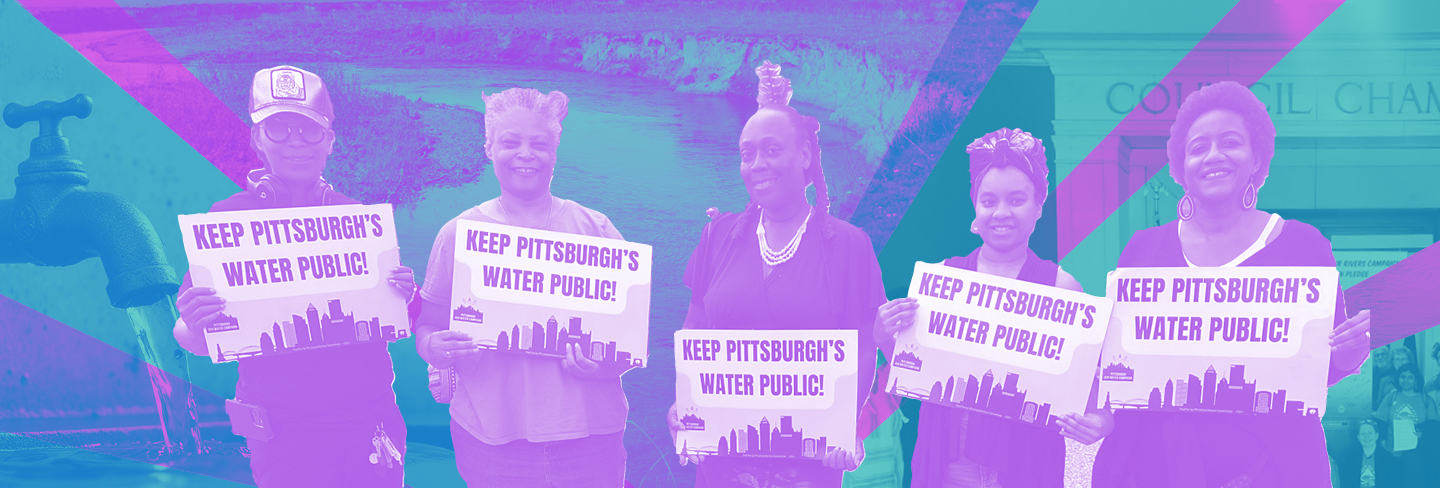
In May, Pittsburgh residents voted for a major win: to keep the city's water and sewer system public for generations to come. This is an important victory not only for the people of Pittsburgh, but for democracy as a whole. When we come together to keep an essential resource like water under public control — instead of handing it over to corporations — we're protecting a critical service that strengthens the whole community.
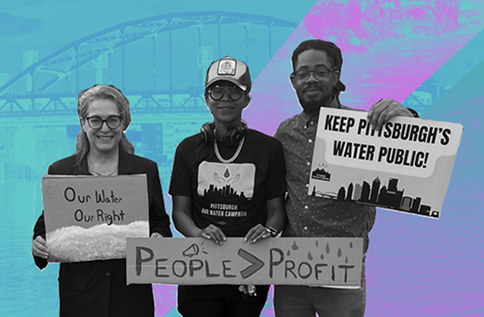
This win comes nearly a decade after we first worked in coalition with local organizers to stop the threat of water privatization in Pittsburgh. At the time, lead levels in the city's water were on the rise following a disastrous privatization scheme by private water giant Veolia. We helped mobilize city residents, garner outside attention, and connect the dots between Flint's lead crisis, the lead in Pittsburgh's water, and the common denominator: Veolia. The coalition succeeded in stopping a new privatization threat — and exposing Veolia's track record in the process. But we all knew there was more we could do to make this victory permanent.
So when Pittsburgh organizers learned that the water system ownership could change again, leaving the door open to future privatization threats, they jumped into action. They campaigned to win a ballot referendum to prevent the water system from being sold or leased to a private entity. We partnered with Pennsylvania United and Flint Rising to organize the second annual Flint/Pittsburgh day of action, connecting the dots between the two cities' struggles. And we mobilized our members in Pittsburgh to spread the word and vote in the referendum. In the end, more than 78 percent of voters supported the measure — a resounding mandate.
This is what long-term organizing to challenge corporate power looks like: building strong local networks. Defending our public services together. And winning scalable victories that communities can implement all over the world to protect what's most important to us.
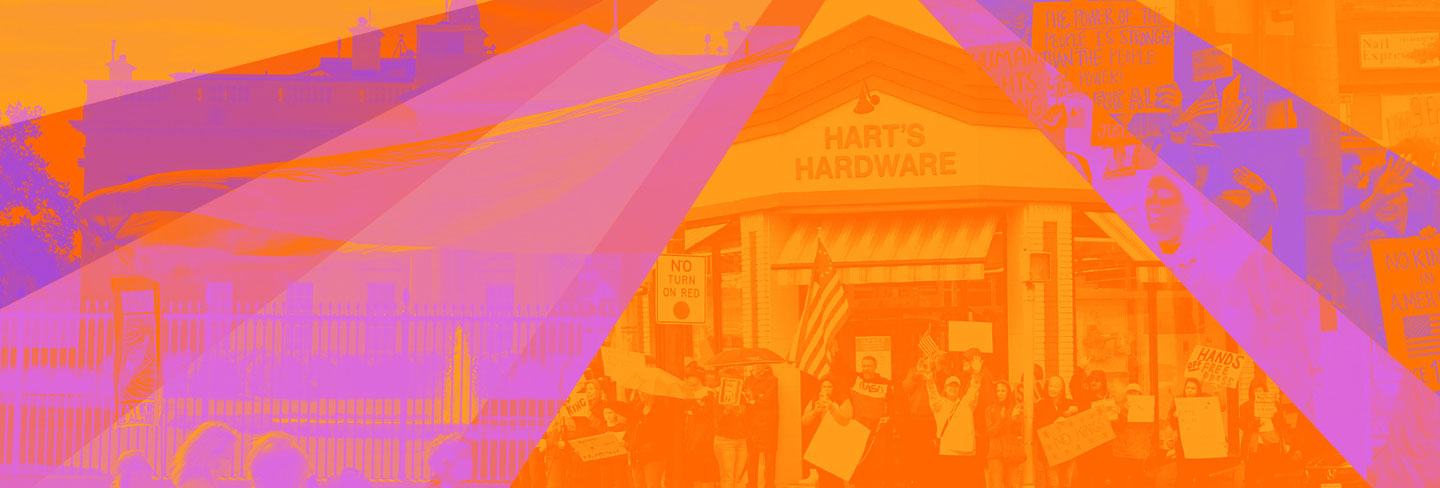
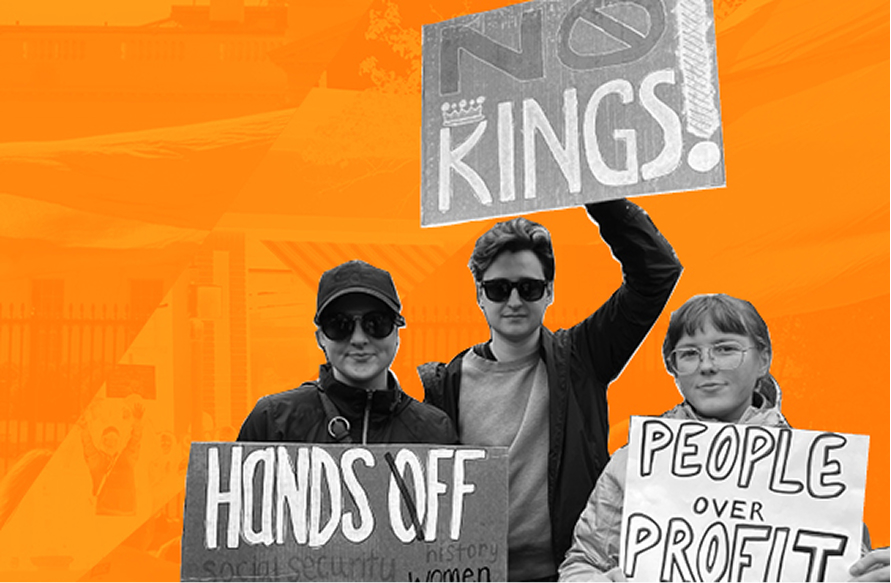
Slashing social services to pay for billionaires' tax cuts. Handing over the reins of federal agencies like the Environmental Protection Agency and the Department of Education to corporate cronies. Dismantling regulations that keep big business in check. The Trump regime isn't just running the U.S. like a corporation; it's a wholesale, reckless corporate takeover unleashed by billionaires against the rest of us.
The core of our mission is to challenge the driving force of this regime: corporate power. We have a nearly 50-year history of fearlessly — and successfully — taking on some of the most powerful entities in the world in order to put power back into people's hands.
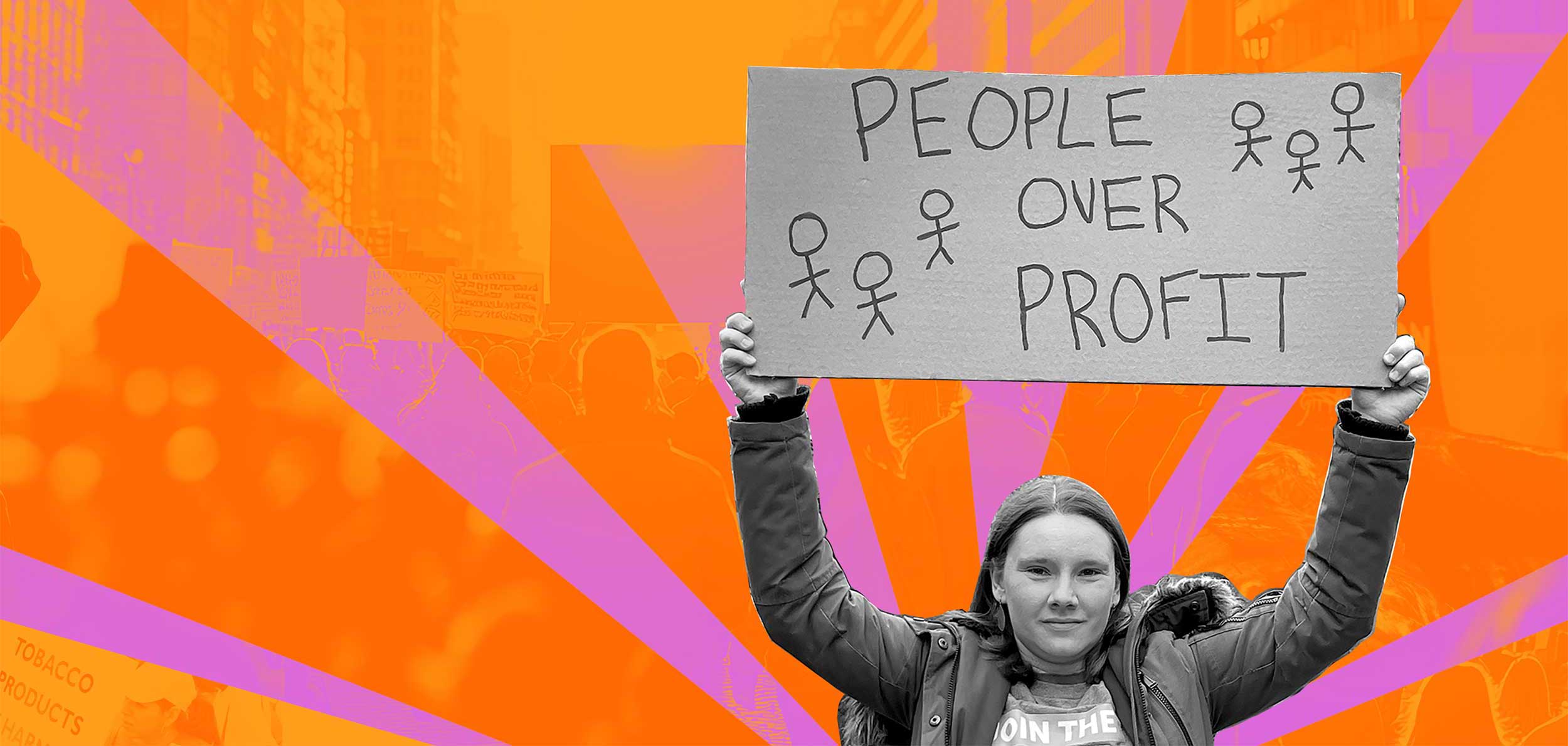
And people like you are rising and claiming your power. This year, we joined nationwide coalitions that are mobilizing folks to show up and show visible resistance at large-scale protests, and to train activists on the organizing skills and strategies that we need to stop the corporate-fueled injustices of the Trump regime over the long term. We also launched the People Over Profit (POP) Corps, a group of people committed to challenging the corporations that back authoritarianism and those that stand to benefit the most from this regime's policies. It's all adding up to a growing movement to defend our freedoms. And you can join in.
But history — and successful peoples' movements the world over — have shown us that we need to be disciplined and strategic in the midst of authoritarian chaos. That's why, even as we engage in rapid-response action, we're also embarking on a longer-term project: to map the corporate pillars of the Trump regime, identify their vulnerabilities and leverage points, and harness people power to strategically challenge them. This work will ramp up in the year to come.
The pace, scale, and ambition of Trump and his corporate cronies may be unprecedented in the U.S., but its infrastructure is built on greed. And greed can and will be overcome by the massive — and growing — movement that is organizing to resist this regime and build the better, just world we all deserve.
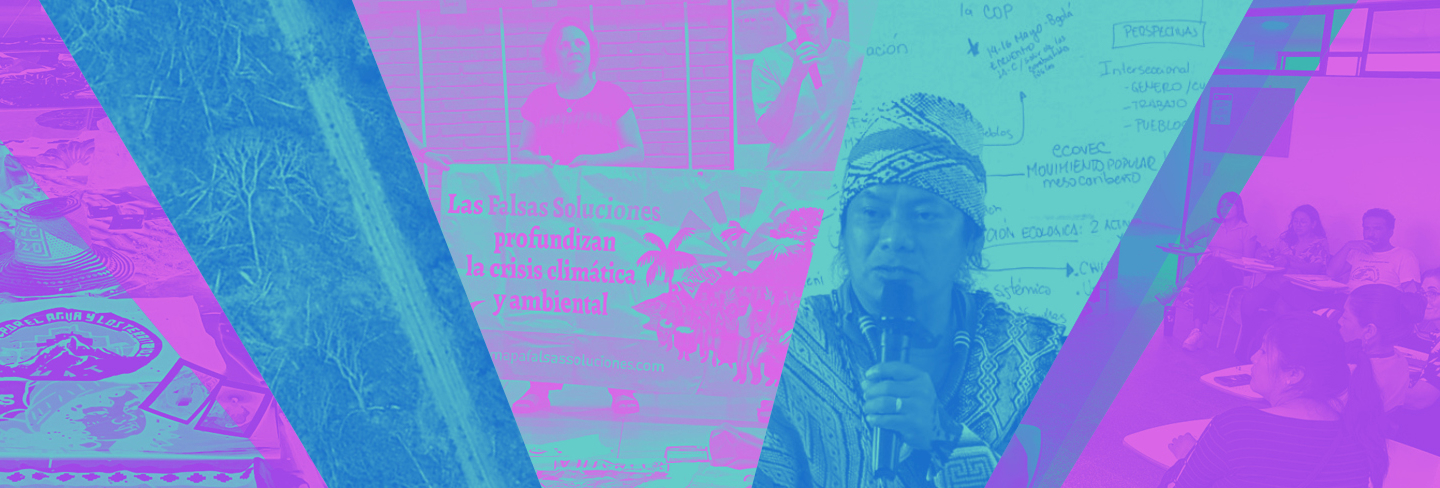
During a mid-afternoon session of the Climate Justice Assembly, a convening we hosted with our Latin American climate justice allies in Bolivia, an activist recounted her experience with the "cowboys of carbon markets." These men came into her community in El Rancho in San Javier, Chiquitania, an Indigenous territory in Monte Verde, offering exorbitant amounts of money to take over their land for decades.
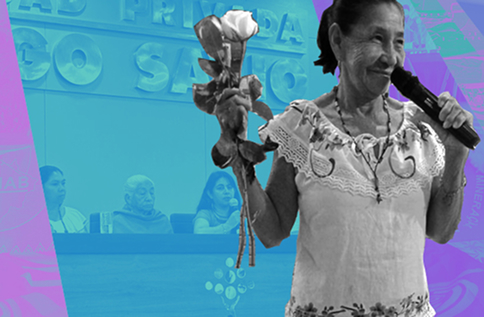
As she spoke, many organizers in the room started nodding their heads. Although they lived thousands of miles apart from each other, the exchange with these cowboys felt familiar: empty promises, predatory demands, and a disregard for the land and territory they've a cultivated spiritual and cultural relationship with for generations.
For centuries, corporations have extracted the land and hoarded the natural resources in Latin America for their own profits at the cost of poverty, disease, and violence in local communities. And the politicians in their pockets have enabled these abuses, often approving projects that endanger the communities they represent. Indigenous and local peoples across the region have always resisted and challenged these abusive actors. But geographic distance, limited resources, structural violence, and a lack of mechanisms to enforce their rights have made it difficult to form one united force to challenge the corporate power behind these abuses.
By holding convenings like the event in Bolivia, which drew more than 40 activists from across the region, we and our allies are starting to address these struggles. It's part of the broader organizing we are doing to help develop a regional climate justice movement that names corporate power as the root cause of the climate crisis; challenges corporations on a local, regional, and international level; and centers the vision of those with the most experience in resisting corporate abuse.
We'll bring this united resistance in full force as we continue organizing throughout Latin America to challenge Big Polluters, reject corporations' false solutions, and advance just climate policy.
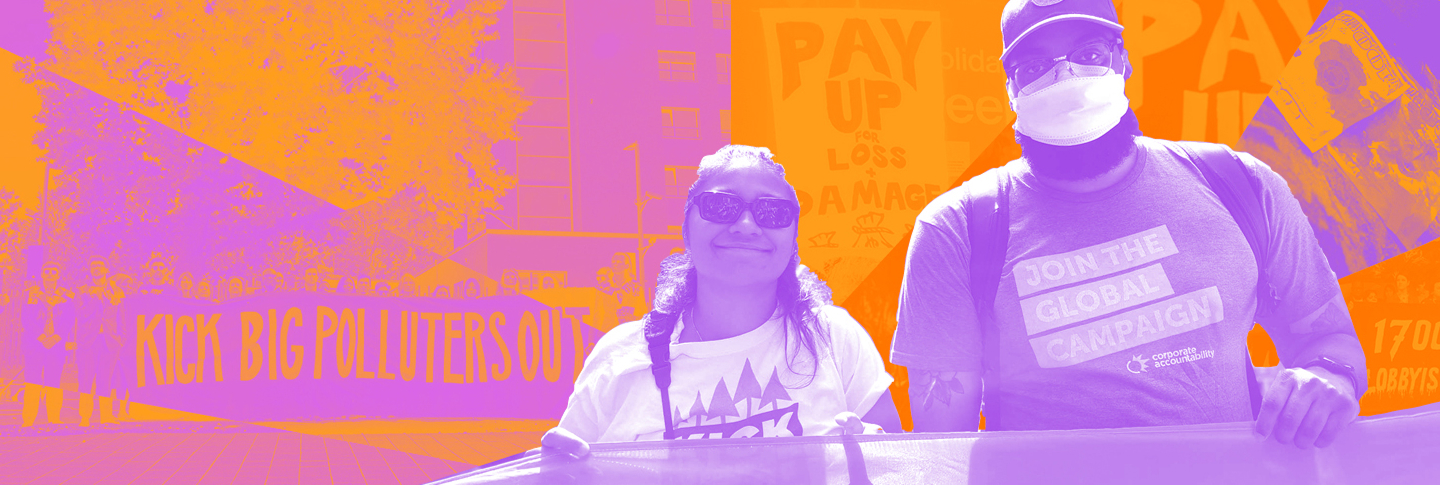
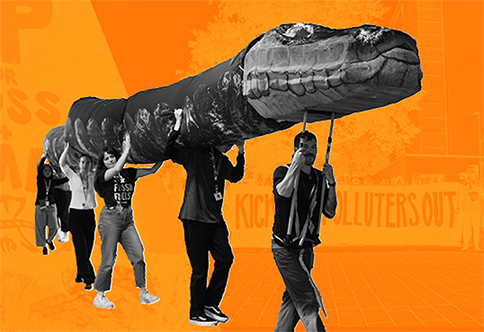
Big Polluters are trying every trick in the book to delay and distract from real climate action. One of their top schemes is the "carbon market" — the buying and selling of "pollution allowances" to keep polluting while supposedly funding projects elsewhere that are meant to reduce emissions. But many of these projects are ineffective at best, and actively harmful to communities at worst — and our hard-hitting research has proved it.
This year, our report "Built to Fail" made waves with evidence that the world's largest carbon market projects are still essentially junk, and that the industry's so-called "reforms" appear just as ineffective and risk continued harm. Our hard-hitting research is shaking the foundations of the carbon market industry. And investors, the media, and government decision-makers have no choice but to face the music: It's time to kick Big Polluters out and prioritize real, just solutions.
Alongside thousands of people like you, we spread this message far and wide. Business media outlets like Forbes wrote about the industry's failures. And thousands of people like you united our voices to demand the U.N. Secretary General reject these false solutions.
These escalating actions, along with organizing we did with our allies leading up to and during the climate treaty meetings, is helping to move the U.N. to formally kick the fossil fuel industry out. By building pressure in and outside of the negotiating room, and centering the voices of people most impacted by the climate crisis, we're making it much, much harder for Big Polluters to advance their abusive agendas.
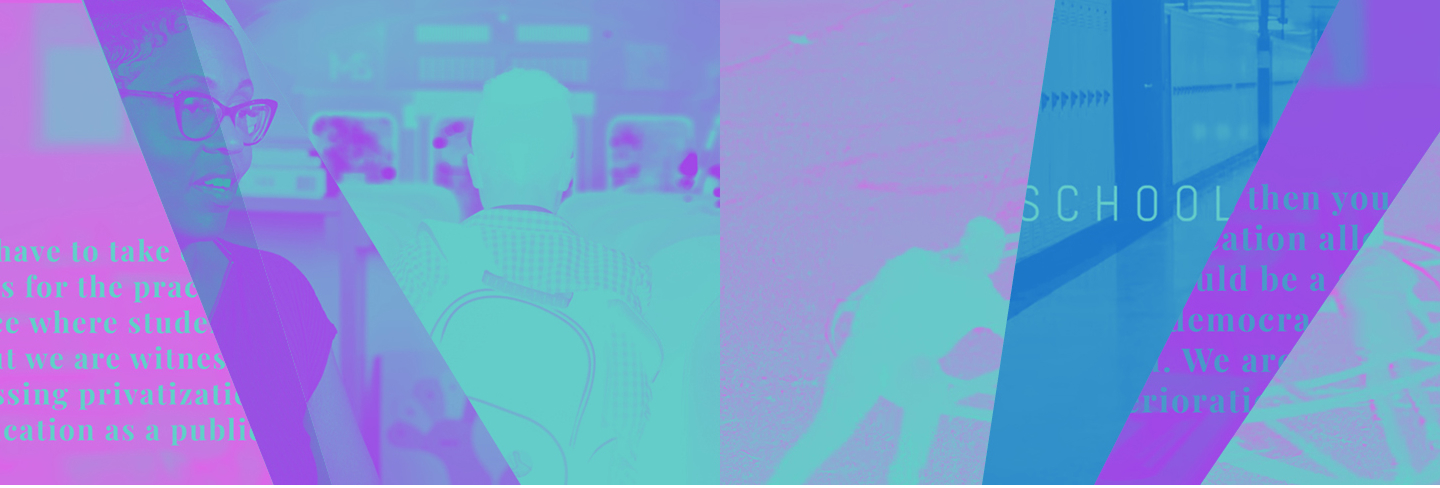
The Black Collective leverages our corporate campaigning power and expertise to support movements for Black liberation and racial justice. Founded and led by Black-identifying staff, the program is centered on issues of police violence, under-resourced education systems in Black communities, and reparations. This year, we launched the first installment of a documentary series exploring the impacts of the school-to-prison pipeline, which is fueled by the chronic underfunding of schools and police violence.
We also directly challenged Wells Fargo for targeting Black and brown communities at its annual shareholders meeting, and exposed the corporation's ties to private prisons and racial policing in front of its top investors.
As the current regime ramps up its exploitation of Black and immigrant communities, this work remains critical. Your support allows us to challenge the corporate roots of racism and oppression in the U.S. and beyond.

Global movements are more important now than ever. To win, we need to make sure all of us have the resources we need. Through the Movement Solidarity Fund, we raise and redistribute financial resources to our partners and leaders on the front lines of corporate abuse. Together, we're helping sustain the global movement challenging corporate abuse and advancing justice. Learn more about what your support made possible this year.




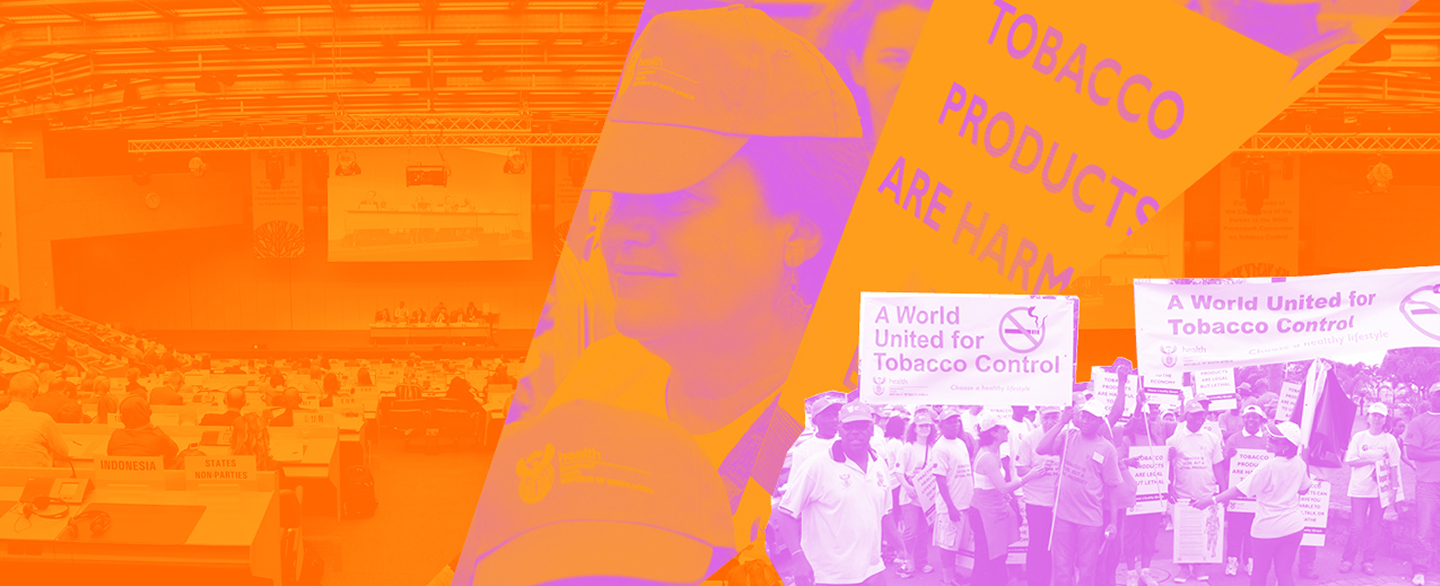
This year, we're celebrating the 20th anniversary of the entry into force of the WHO Framework Convention on Tobacco Control (WHO FCTC), also known as the global tobacco treaty. This treaty — the world's first public health and corporate accountability treaty — is one of the most rapidly and widely implemented treaties in U.N. history. And it's just getting started. Its strength, its impact, and its groundbreaking corporate accountability measures were made possible by organizers all over the world, including Corporate Accountability and the Network for Accountability of Tobacco Transnationals.
Learn how the treaty is reining in Big Tobacco and saving millions of lives — and see for yourself why we remain committed to organizing for its full implementation around the globe.





As we celebrate this two-decade milestone, we can't forget that this deadly industry keeps profiting at the expense of our health and our lives. It's up to us to support governments around the world in harnessing the power of the treaty to make Big Tobacco pay for its abuses.

Organize to keep Big Tobacco out of policymaking
–
Challenge the industry's aggressive marketing in the Global South
–
Support governments in holding Big Tobacco liable for harming our health and the planet
–
Monitor and expose industry rebranding and deception
–
Harness the treaty's precedents to rein in more abusive industries, from fossil fuel to plastics corporations
–
Corporate Accountability is supported by people who believe in a world where all of us can thrive, no exceptions. Together, we're challenging corporate-fueled authoritarianism now and in the years to come. Hear from some of the folks like you who make this work possible.
So many of you power this work with your time, financial support, and belief that a better world is possible. You give us the political independence and strength to face the corporate-backed, authoritarian chaos with clarity, and to create the bold strategies we need to win without financial repercussions for speaking truth to power.

In high school, Pierce hated history class. He remembers his eyes glazing over as his teachers recounted one event after another. He realized later that he was getting a curated timeline, not the full story. "This was on purpose," he says, exasperated. "There is a reason why people in power don't want you to see the origins of the unjust world that you're living in now."
As Pierce got older, his systemic analysis deepened. During the first Trump regime, he met an organizer from Corporate Accountability. He joined the Giving Circle, a group of young adults that met regularly to learn about corporate power, build campaigning skills, and mobilize resources for the organization and the movement.
That led him to accompany Corporate Accountability's team to a McDonald's shareholders' meeting. Pierce described the scene on his blog: executives patting each other on the back for reaping profits from an underpaid workforce, unhealthy food, and harm to animals and land. The event helped solidify his understanding of the modern corporation as an imperialist force that will seek profit at the expense of everything: people's health, lives, and the planet.
"Corporations are the emblem of exploitation, capitalism, and colonialism," he says. He's most drawn to Corporate Accountability's campaigning that challenges the privatization of essential resources and utilities, like water. "Holding our resources as a commons instead of selling them for profit goes a long way in countering oppression and environmental catastrophe," he says.
Pierce's teaching and research keeps him engaged with his community and energized in this difficult political moment. In teaching nonviolent communication to inmates at San Quentin prison and political economy online, he finds that his students are more open than ever to learn about the different ways of relating, as well as the inner workings of power and the economy.
Most of all, it's the responsibility he feels toward people and the planet, and his commitment to live out his values, that keeps him going. "The important question for me is: When bad stuff happens, will it be because I rolled over and let it? Or will I have done everything I could to stop it?"

While Valerie Johnstone was a student at the University of Oregon in the 1970s, she organized a bake sale outside the university book store on the first day of the term. It was the best day to raise funds, with the school year just beginning. All of the profits went to Corporate Accountability (then Infact), to support the campaign to boycott Nestlé for aggressively marketing its powdered infant formula in the Global South. The corporation sent out salespeople dressed as nurses, who convinced mothers to use the formula even though they didn't always have the tools to safely administer it. Many babies were getting sick and even dying from bottle feeding, but the corporation persisted.
Valerie had a young daughter, and learning about Nestlé's abuses jolted her. She got involved immediately and helped raise funds through bake sales. Thanks to many people taking action and spreading the word, the campaign became the first successful international boycott of a transnational corporation. It resulted in the first ever United Nations Code of Marketing of Breastmilk Substitutes that set standards for the entire industry. The experience showed her that people, when they join together, can hold even the most powerful corporations accountable.
Over the years, Valerie has found joy in dedicating her energy to social justice movements. As the only child of a single mother, this work has served as a meaningful outlet — a way to connect with people who believe a better world is possible. In addition to supporting Corporate Accountability's campaigns, she has given her time and resources to protecting the environment, from advocating for pollinators to supporting climate action in her local community.
Nowadays, Valerie faces physical limitations that make it harder for her to take action in person. But that hasn't stopped her from making a difference. "I do what I can to support the issues I care about." She sees Corporate Accountability, and the organizations challenging Trump and his billionaire friends in the White House, as part of the broad network that's reining in corporate power. "If it weren't for people like you who are not willing to give up, there would be nothing to keep corporate power in check," she says.




Building deep solidarity and organizing hand-in-hand with activists across the U.S. and around the world is critical for building a movement that is strong enough to challenge corporate giants. Learn more about our partners around the world who are dedicated to protecting people's health and the planet from the greedy grasp of corporations.
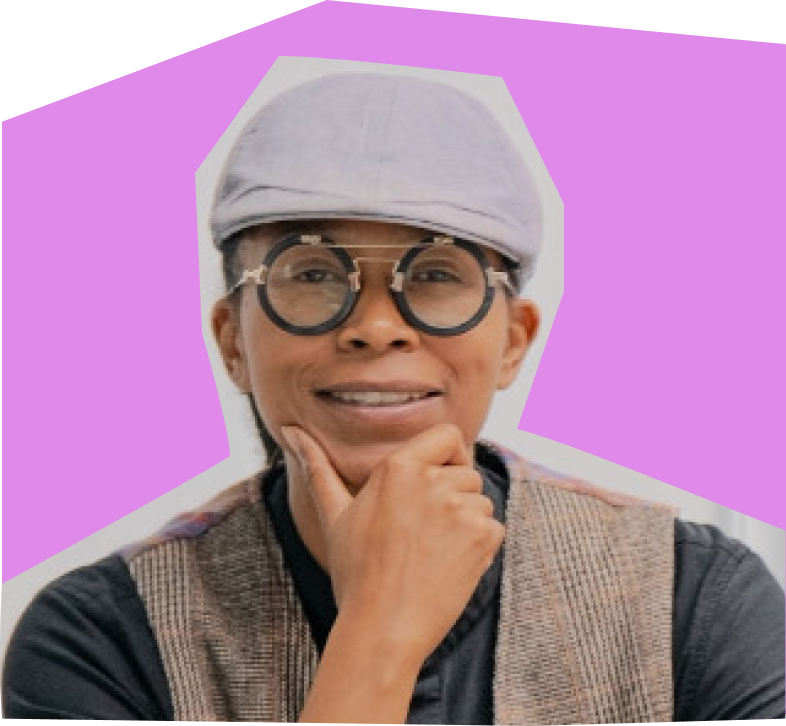
What would you do if your water became undrinkable due to a lead crisis? For Gabby Gray, when a cost-cutting decision made by the Pittsburgh water system — under the management of water privatizer Veolia — triggered such a crisis, the first step was clear: submit a request for a water line replacement. When the water authority denied her request, the second step was even clearer: organize.
Bringing people together to take action is second nature for Gabby. "I grew up in the Black community, surrounded by folks who knew how to counter our chronic under-resourcing by bringing people together and ‘building village,'" she says. In the aftermath of the water crisis, Gabby did just that. With her neighbors, she organized protests and information sessions, and met with public officials demanding action. Eventually, they won: the water authority replaced their pipes.
This taste of victory motivated Gabby to go deeper. She connected with Pittsburgh United, a coalition focused on advancing economic and environmental justice locally. After a year of organizing alongside the coalition's Our Water Campaign, Gabby landed the role as its lead organizer. In 2024, she partnered with Corporate Accountability, already a long-time ally supporting the coalition in stopping a major privatization threat. Together, we organized an event commemorating the 10-year anniversary of the start of the Flint water crisis and connecting it to Veolia's role in both cities' struggles.
"Corporate Accountability brought a national lens to the struggles that we were facing as a community — and showed us that our water crisis wasn't an isolated event, but happening all across the U.S., driven by water privatizers that profit off of struggling water systems," Gabby says. "This was a game-changing realization for our water campaign."
The day of action was a success. It brought more people into the movement and gave the coalition momentum to embark on the next stage of campaigning. And a year later, the team organized and won a public referendum to keep the city's water system in public hands.
From here, Gabby's excited to replicate Pittsburgh's success in cities across the U.S. Amidst the threats of corporate power and authoritarianism, she believes the people will prevail. "I have a vision for all of us to organize, empower, and equip ourselves in our communities," she says. "I see the fruits of our labor and the momentum that we're building together. That's what keeps me going."
Our global team is made of people committed to building a world that's centered on the needs of people and the health of our planet — no exceptions. Learn more about our bold, talented staff and board that drive our corporate campaigning forward day in and day out. And get to know our board members, who all bring unique perspectives and experiences in mobilizing people for social change.
By challenging corporate abuse, Corporate Accountability is helping protect civic spaces and essential resources for all. This is more critical now than ever.
Right now, it's easy for people to feel hopeless. But even during this fascist backslide in the U.S. and around the world, we are winning local fights challenging privatization. Together we can — and are — making an impact.
As corporations infiltrate our government, steal our essential resources, and seize more and more power, we're not backing down. We're taking our hard-hitting campaigns even further by:
we are able to both respond with urgency and build the power and systems to win long-term victories.
You're part of a movement that's challenging the corporations and billionaires undermining our democracy, polluting our planet, and threatening our communities. Together, we're in it for the long haul, building toward a world where everyone can thrive — no exceptions.
